
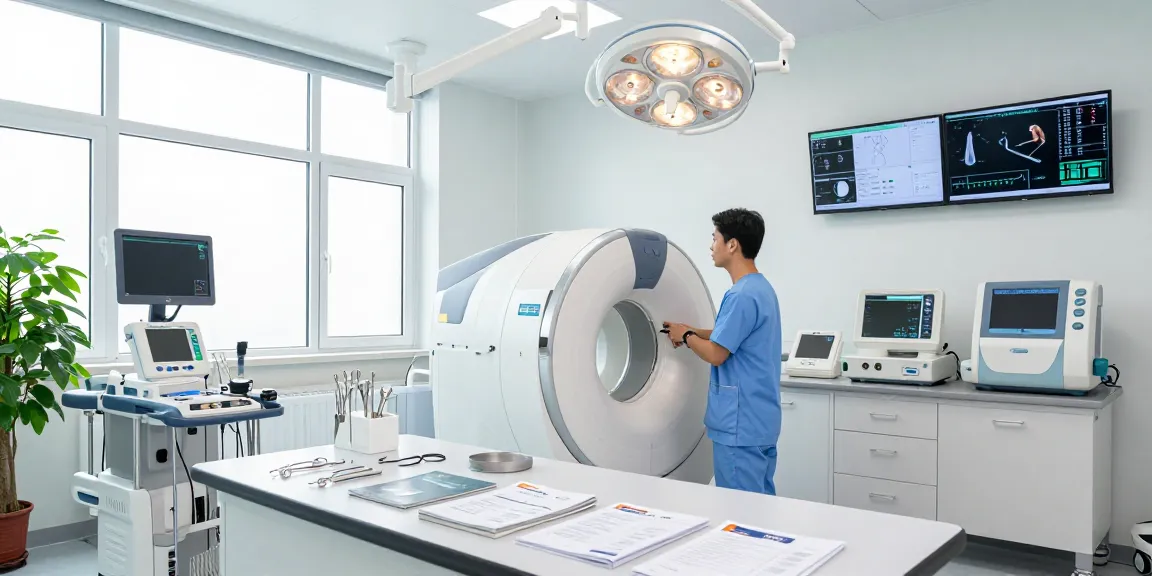
Understanding the Role of Medical Equipment Suppliers
In the ever-evolving healthcare landscape, the significance of medical equipment suppliers cannot be overstated. These entities serve as crucial links between manufacturers and healthcare providers, ensuring that medical facilities are equipped with the necessary tools to deliver effective patient care. As the demand for innovative healthcare solutions increases, understanding the multifaceted role of these suppliers becomes essential for all stakeholders in the medical field.
What Medical Equipment Suppliers Do?
Medical equipment suppliers specialize in providing a wide array of products that range from diagnostic devices to surgical instruments and patient monitoring systems. Their primary functions include:
- Product Sourcing: Suppliers identify and source products from manufacturers that meet specific healthcare needs. This involves assessing the quality, durability, and technological advancements of the equipment.
- Distribution: Efficiently distributing medical equipment to healthcare facilities, ensuring timely delivery to support patient care.
- Maintenance and Support: Many suppliers offer ongoing maintenance services and technical support, ensuring that all equipment remains functional and compliant with health regulations.
- Training and Education: Suppliers often provide training for healthcare professionals on how to use new equipment effectively and safely.
The Importance of Quality and Compliance
In the medical field, the stakes are exceptionally high. Poor-quality equipment can result in severe consequences, such as misdiagnosis or ineffective treatment. Therefore, suppliers must adhere to stringent quality standards and comply with regulations from bodies such as the U.S. Food and Drug Administration (FDA) or the Health Canada. Quality assurance processes should be in place to monitor equipment performance and user feedback continually.
How to Choose the Right Supplier?
Selecting the right medical equipment supplier involves evaluating several factors:
- Reputation: Research suppliers' reputations based on customer reviews and industry benchmarks.
- Range of Products: Ensure the supplier offers a comprehensive portfolio that caters to your specific needs.
- Customer Service: Assess their responsiveness and ability to provide support during emergencies.
- Pricing: Compare costs but focus on the value provided, including warranties and customer support.
Common Pitfalls in Selecting Medical Equipment Suppliers
Even seasoned healthcare providers can overlook critical factors when choosing a medical equipment supplier. Here are some common pitfalls:
Overlooking Certifications and Compliance Issues
Many suppliers may not possess the necessary certifications, leading to the procurement of substandard equipment. Confirming that a supplier meets industry standards should be a top priority.
Focusing Solely on Price vs. Value
While cost is an important consideration, it should not overshadow the potential long-term value of high-quality equipment. Investing in reliable products often leads to better patient outcomes and fewer replacements.
Neglecting Customer Service and Support
Providers may fail to account for the role of customer support after the sale. Suppliers that offer robust support services can save facilities time and money in the long run.
Evaluating the Best Medical Equipment Suppliers in 2026
As the industry evolves, so too must the criteria for evaluating suppliers. Here are updated assessment criteria for 2026:
Criteria for Assessment: Quality, Reliability, and Price
Suppliers should be assessed on their consistency in delivering high-quality products, reliability in meeting delivery timelines, and competitive pricing structures. The balance of these three factors can significantly influence operational efficiencies.
Importance of Vendor Reputation and Reviews
A supplier’s reputation can greatly impact a healthcare facility’s credibility. Leveraging peer reviews and industry-specific ratings can inform sound purchasing decisions.
Evaluating Long-term Partnerships with Suppliers
Building long-term relationships with suppliers can lead to more favorable pricing, access to cutting-edge technologies, and improved service agreements. Consider suppliers who show a commitment to partnership rather than transactional relationships.
Future Trends in Medical Equipment Supply Chain
The landscape of medical equipment supply is set to change dramatically in the coming years. Here are some anticipated trends:
Technological Innovations Impacting Suppliers
As technology continues to advance, suppliers are expected to incorporate artificial intelligence, IoT, and data analytics into their operations. These technologies can enhance inventory management, monitor equipment status, and predict maintenance needs.
Sustainability Practices among Medical Equipment Suppliers
With increasing awareness of environmental issues, suppliers are adopting sustainable practices. This includes reducing waste in manufacturing processes and offering eco-friendly equipment options, which can appeal to environmentally-conscious healthcare providers.
The Rise of Telemedicine Equipment Suppliers
The shift towards telemedicine has accelerated the demand for specialized equipment to support remote patient monitoring and consultations. Suppliers who focus on telehealth solutions are likely to gain a competitive edge in the near future.
Steps to Ensure Effective Collaboration with Medical Equipment Suppliers
Creating and maintaining productive relationships with medical equipment suppliers requires thoughtful strategies:
Establishing Clear Communication Channels
Open and transparent communication is vital. Establish regular check-ins and feedback loops to address concerns and adapt strategies quickly.
Setting Performance Metrics and Expectations
Define clear performance metrics for suppliers, including delivery times, product quality, and support responsiveness. This will help measure and manage expectations effectively.
Strategies for Overcoming Common Challenges
Be proactive in discussing potential challenges with suppliers and jointly develop strategies to address them. This could involve everything from anticipating supply chain disruptions to planning for equipment upgrades.
What should you consider when choosing medical equipment suppliers?
Consider factors such as product range, reputation, compliance standards, pricing, and customer support. Each of these elements can influence your decision significantly.
How do you assess the quality of medical equipment?
Evaluate the supplier’s adherence to regulatory standards, review product specifications, and obtain feedback from other users regarding reliability and effectiveness.
What are the recent trends in medical equipment supply?
Key trends include technological advancements, sustainability initiatives, and a focus on telemedicine solutions that respond to the evolving needs of the healthcare industry.
How can you ensure compliance with regulations?
Regularly review compliance documentation, conduct audits, and stay informed about changes in regulations to ensure your suppliers meet necessary standards.
What role does customer support play in selecting suppliers?
Customer support is crucial for resolving equipment issues quickly and effectively, thereby minimizing downtime and enhancing the quality of patient care.