Understanding the Benefits of Metal Roofing
In recent years, the appeal of metal roofing has surged, especially in regions like the Greater Toronto Area (GTA). Homeowners and businesses alike are recognizing the numerous advantages that metal roofs offer over traditional materials. These roofs not only enhance the aesthetic value of a property but also contribute significantly to energy efficiency and long-term durability. As we delve into the topic, it becomes clear that making an informed choice about roofing solutions is essential for maximizing property value and comfort. For those seeking comprehensive insights on metal roofing, read more about how this investment can enhance your home.
What Makes Metal Roofing a Smart Investment?
Metal roofing presents a unique blend of durability and energy efficiency that makes it a compelling option for homeowners. Unlike traditional asphalt shingles, which typically have a lifespan of 15-20 years, metal roofing can last 50 years or more with minimal maintenance. This longevity translates into significant savings over time, as homeowners will face fewer repair and replacement costs.
Moreover, metal roofing is highly resistant to extreme weather conditions, which is particularly beneficial in the GTA's variable climate. This resilience ensures that your roofing remains intact during heavy snowfall and summer thunderstorms, providing peace of mind.
Comparative Analysis: Metal vs. Traditional Roofing
When comparing metal roofing to traditional options like asphalt shingles or tile, several factors come into play:
- Durability: Metal roofs can withstand extreme weather, while traditional materials may become damaged more easily.
- Energy Efficiency: Metal roofs reflect UV rays, helping to reduce cooling costs during hot summer months.
- Weight: Metal roofing is lighter than shingles, which can ease the load on the structural framework of a home.
- Variety of Styles: Metal roofs come in various designs and colors, allowing homeowners to choose an aesthetic that complements their property.
Environmental Benefits of Metal Roofing
In today’s eco-conscious world, selecting roofing materials that contribute to environmental sustainability is increasingly important. Metal roofs are often made from recycled materials and are themselves 100% recyclable at the end of their life cycle. Moreover, their reflective surfaces contribute to lower energy consumption, reducing the carbon footprint associated with home cooling.
Key Features of High-Quality Metal Roofs
Choosing the right metal roofing involves understanding the key features that contribute to their performance and value. High-quality metal roofs showcase various attributes that can significantly impact their longevity and effectiveness.
Material Options: Choosing the Right Metal
Different types of metals are available for roofing, each with its own advantages:
- Steel: Known for its strength, steel is one of the most common choices for metal roofing. It can be coated with zinc or painted for added corrosion resistance.
- Aluminum: Lightweight and resistant to rust, aluminum is an ideal choice for coastal areas where salt exposure is a concern.
- Copper: While more expensive, copper offers exceptional durability and a unique aesthetic that can enhance a property's value over time.
Energy-Efficiency Factors to Consider
In a time when energy costs are rising, opting for energy-efficient roofing solutions can alleviate financial strain. Metal roofs can help maintain indoor temperatures, reducing reliance on heating and cooling systems. Homeowners should consider roofs with reflective coatings to maximize energy savings.
Durability and Lifespan of Metal Roofing
The lifespan of a roofing material is a crucial factor for any homeowner. Metal roofs, depending on the type, can offer anywhere from 40 to over 70 years of service. This lifespan, coupled with low maintenance requirements, makes metal roofing a worthy investment compared to other options.
The Metal Roofing Installation Process
Understanding the installation process of metal roofing can help homeowners prepare for their roofing project. A proper installation ensures that the roof performs optimally throughout its lifespan.
Steps to Ensure Quality Installation
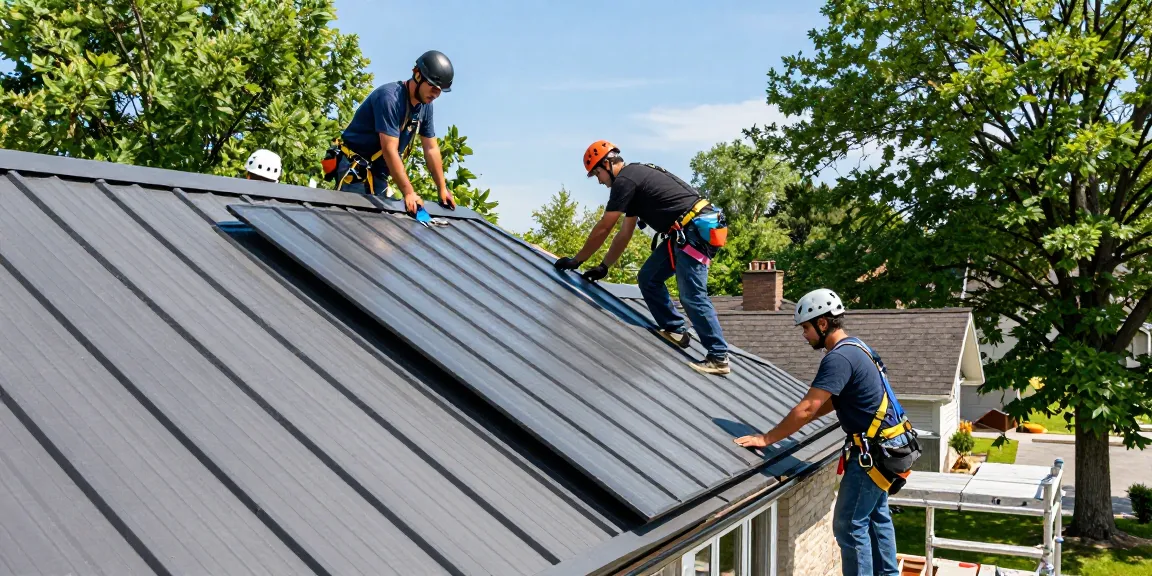
The installation of metal roofing requires careful planning and execution. Here are the key steps involved:
- Preparation: Assessing the current roof condition and determining the best type of metal roofing.
- Measurements: Accurate measurement of the roof area to ensure correct material usage.
- Installation: Laying down underlayment, followed by the metal panels, ensuring proper sealing to prevent leaks.
- Final Inspection: Conducting a thorough inspection post-installation to confirm the quality of work.
Common Installation Challenges and Solutions
Metal roofing installation, while generally straightforward, can come with its own set of challenges, such as:
- Weather Conditions: Poor weather can delay installation; it’s crucial to plan for favorable conditions.
- Material Handling: Metal panels can be slippery, requiring careful handling during installation to prevent accidents.
How Long Does Installation Take?
The duration of a metal roofing project can vary based on several factors, including the size of the roof and the complexity of the installation. Generally, a complete installation can take anywhere from three to seven days. This relatively quick turnaround is one of the many advantages of choosing metal roofing.
Selecting the Right Metal Roofing Company
Choosing a reputable contractor is essential to ensure the quality and longevity of your roof installation. Here are some tips to help you select the right roofing company.
What to Look for in a Roofing Contractor
When selecting a roofing contractor, prioritizing experience and reliability is crucial. Look for companies that specialize in metal roofing and possess a proven track record of successful installations.
Customer Reviews and Reputation
Checking customer reviews and testimonials can provide insights into a company's service quality. A contractor with a strong local reputation is more likely to deliver satisfactory results.
Pricing Considerations and Estimates
While it’s tempting to choose the lowest bid, remember that quality should always come first. Obtain multiple estimates and compare them, ensuring that you understand what is included in each quote.
Future Trends in Metal Roofing for 2026
As we move further into the 21st century, the roofing industry continues to evolve, with several trends poised to shape the future of metal roofing.
Emerging Technologies and Innovations
Advancements in technology are making metal roofing even more appealing. Innovations in coatings, for instance, are improving energy efficiency and durability, making metal roofs more efficient than ever.
Market Demand and Consumer Preferences
The demand for sustainable building materials is driving consumer choices. Homeowners increasingly prefer products that are environmentally friendly, energy-efficient, and cost-effective, characteristics that metal roofing embodies.
Expectations for Sustainability in Roofing
As the push for sustainability continues, metal roofing is likely to see advancements that enhance recyclability and reduce environmental impact. Expect to see more manufacturers adopting greener practices in production and installation.
What are the common benefits of metal roofing?
Common benefits include durability, energy efficiency, aesthetic versatility, and reduced maintenance requirements. These factors combine to enhance property value and homeowner satisfaction.
How long does metal roofing last?
Most metal roofs come with warranties ranging from 30 to 50 years, but with proper maintenance, they can last even longer, potentially exceeding 70 years.
What are the costs associated with metal roofing?
While the initial investment in metal roofing can be higher than traditional materials, the long-term savings on maintenance and energy bills often justify the expense.
How do I choose the best metal roofing material?
Consider factors such as climate, budget, aesthetics, and the specific properties of different metals to select the best roofing material for your needs.
Is metal roofing energy efficient?
Yes, metal roofing is known for its energy efficiency, as it reflects solar heat, leading to lower cooling costs in warmer climates.